Blog
Seasonal HVAC Readiness: Five Essentials for Reliable Comfort and Efficiency
Regular tune-ups help heating and cooling systems run smoothly when demand spikes. Seasonal HVAC readiness hinges on steady maintenance, smart upgrades, and timely repairs that keep heating and cooling equipment dependable through temperature swings and heavy use.
1. Prioritize Routine Maintenance to Prevent Avoidable Breakdowns
Regular tune-ups help heating and cooling systems run smoothly when demand spikes. A thorough visit typically includes checking electrical connections, inspecting burners and heat exchangers, clearing condensate lines, cleaning coils, and verifying refrigerant levels where applicable. Even small issues—like a loose wire, a dirty filter, or a sluggish blower motor—can compound into comfort problems and stress on the system. Plan maintenance ahead of extreme seasons so parts are in top shape when you need them. This simple habit preserves performance, steadies indoor temperatures, and supports better air quality by reducing dust and debris recirculation.
2. Replace Air Filters Regularly to Protect Equipment and Air Quality
Air filters do quiet, constant work: they trap dust, pet dander, and other particulates before they reach important components. When filters clog, airflow drops and systems labor to pull in enough air, which can lead to hot or cold spots, reduced efficiency, and unnecessary wear. Choose a filter type that suits both the household’s needs and the equipment’s specifications. A practical rhythm is to check monthly and replace as needed, especially during peak pollen periods or when occupants have allergies. Consistent filter care is one of the fastest, most cost-effective ways to help extend equipment life while maintaining cleaner indoor air.
3. Address Early Warning Signs Before They Escalate
Unusual odors, new rattles or hums, rising utility bills, or rooms that never quite reach the set temperature are signals worth investigating. Heating systems, in particular, benefit from prompt attention when these red flags appear. In communities where winter cold snaps arrive quickly, timely scheduling matters. Acting on small clues early helps maintain safety, steadies comfort, and reduces the likelihood of inconvenient downtime during a weather swing.
4. Improve Airflow and Duct Performance for Consistent Comfort
Balanced airflow underpins efficient heating and cooling. Duct design, sealing, and insulation all influence how air travels room to room. Leaky or poorly insulated ducts can waste conditioned air and make temperature control frustrating. A practical approach begins with a walkthrough: ensure supply and return vents are clear of furniture and rugs, dampers are correctly positioned, and doors aren’t creating pressure imbalances. Even small corrections—resealing joints with mastic, adding insulation to exposed sections, or adjusting register settings—can even out comfort.
5. Integrate Smart Controls and Weather Readiness into Your Plan
Modern thermostats and sensors make it easier to fine-tune comfort without constant manual adjustments. Smart controls can optimize schedule setbacks, reduce overshooting, and provide alerts when temperatures or run times look unusual. Combine these tools with a weather-ready checklist: clear debris from outdoor units, keep at least a few feet of clearance for airflow, and protect equipment from wind-blown leaves or ice. As seasons change, a well-integrated approach—maintenance, airflow, smart controls, and home envelope improvements—keeps systems responsive and stable.
Best Practices for Modern Heat Pump Installation and Commissioning in Central Texas Homes
Before any equipment arrives, a comprehensive site assessment sets the stage for a successful project. Homeowners across Central Texas are turning to high-efficiency heat pumps to balance comfort and energy use, and a detailed, standards-driven approach to installation is essential for lasting performance.
1. Site Assessment and System Selection
Before any equipment arrives, a comprehensive site assessment sets the stage for a successful project. Climate conditions, building orientation, shading, insulation levels, and window quality all affect heat loss and gain. Careful load calculations, airflow targets, and compatibility with existing electrical capacity guide the final equipment choice without guesswork.
2. Ductwork Design, Airflow, and Home Envelope
Even top-tier equipment underperforms when ducts are undersized, leaky, or poorly laid out. Balanced airflow begins with measured supply and return paths, appropriate trunk and branch sizing, and attention to static pressure. Sealing seams, insulating attic runs, and adding dedicated returns in larger rooms help stabilize temperatures room to room. Proper ducts and a tighter envelope allow the heat pump’s variable capacity to shine.
3. Installation Craftsmanship and Refrigerant Practices
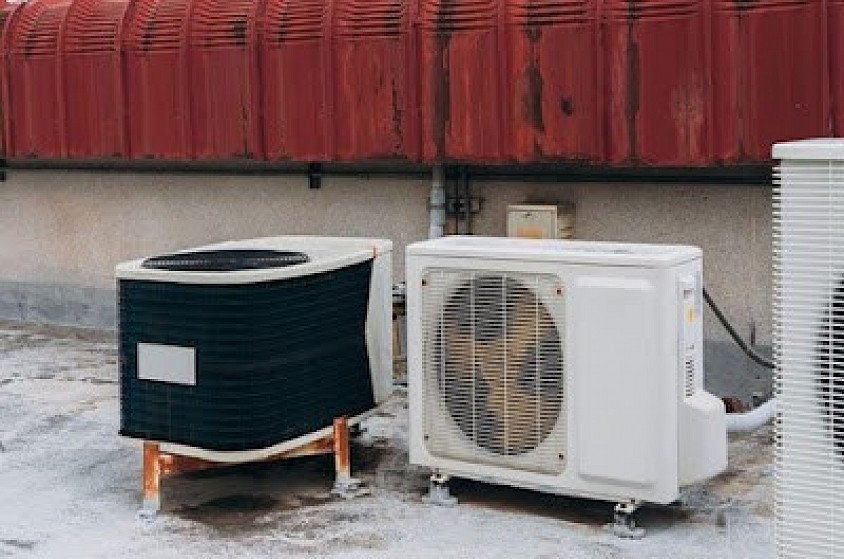
Clean, methodical installation protects long-term reliability. Mounting air handlers plumb and secure, setting outdoor units on level, well-drained pads, and observing manufacturer clearances ensure quiet operation and service access. Refrigerant line sets should be right-sized, well-supported, and insulated end to end. These craft details separate a merely adequate install from a great one.
4. Commissioning, Controls, and Performance Verification
Commissioning is the quality checkpoint that verifies the system delivers on design promises. It involves confirming airflow with measured readings, dialing in refrigerant charge per manufacturer methods, and verifying temperature splits under typical load conditions. A system that’s commissioned with care reduces callbacks, supports warranty compliance, and provides the quiet, even comfort that distinguishes modern heat pumps from legacy systems.
5. Maintenance, Upgrades, and Regional Considerations
Consistent maintenance keeps efficiency up and surprises down. Regular filter changes, coil cleaning, and outdoor unit clearances preserve airflow and heat exchange. Upgrades such as smart sensors for humidity, enhanced filtration media, and duct sealing enhancements can be integrated over time without replacing core equipment. With thoughtful design, careful craftsmanship, and ongoing care, today’s heat pumps deliver dependable comfort tailored to the demands of Central Texas homes.